Welcome to the world of Azure apps, where innovation meets scalability. Whether you’re building a simple web app or a complex enterprise solution, Microsoft Azure offers the tools, flexibility, and power to bring your vision to life—faster and smarter.





What Are Azure Apps and Why They Matter

Azure apps refer to applications built, deployed, and managed using Microsoft Azure’s cloud platform. These can range from web and mobile apps to containerized microservices and serverless functions. The term encompasses a broad ecosystem of services designed to streamline development, enhance performance, and reduce operational overhead.
Defining Azure Apps in Modern Development
Azure apps are not just hosted applications—they represent a shift in how software is developed, deployed, and scaled. By leveraging Azure’s Platform as a Service (PaaS) offerings like Azure App Service, developers can focus on writing code while Azure handles infrastructure management, patching, scaling, and security.
- Azure apps include web apps, mobile backends, APIs, and background processing services.
- They can be built using .NET, Java, Node.js, Python, PHP, and more.
- Integration with DevOps tools enables continuous deployment and automated testing.
Core Benefits of Using Azure Apps
The value of Azure apps lies in their ability to accelerate time-to-market while maintaining high availability and security. With global data centers and built-in redundancy, Azure ensures your apps are always online and responsive.
- Scalability: Automatically scale up or out based on traffic using Azure’s auto-scaling features.
- Cost Efficiency: Pay only for what you use with flexible pricing models.
- Security: Benefit from Microsoft’s enterprise-grade security, compliance certifications, and threat detection.
“Azure App Service allows you to build and deploy web and mobile apps for any platform or device, easily integrating with SaaS and on-premises data.” — Microsoft Azure Official Documentation
Azure App Service: The Heart of Azure Apps
Azure App Service is the cornerstone of Azure apps, offering a fully managed platform for hosting web applications, REST APIs, and mobile backends. It supports multiple programming languages and frameworks, making it a favorite among developers who want to deploy quickly without managing servers.
Key Features of Azure App Service
Azure App Service stands out due to its rich feature set that caters to both developers and IT operations teams. From deployment slots to built-in CI/CD, it simplifies the entire app lifecycle.
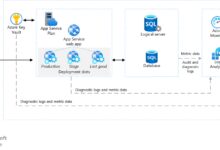
- Deployment Slots: Test changes in staging environments before swapping them into production with zero downtime.
- Custom Domains & SSL: Secure your apps with free SSL certificates and map custom domains effortlessly.
- Authentication/Authorization: Enable easy login via Azure Active Directory, Facebook, Google, and other identity providers.
Supported Runtimes and Frameworks
One of the biggest strengths of Azure apps through App Service is language flexibility. You’re not locked into one tech stack—choose what works best for your team.
- .NET and .NET Core for enterprise applications.
- Node.js for real-time and event-driven apps.
- Python, Java, PHP, and Ruby for diverse development needs.
- Bring your own container (BYOC) support for Dockerized apps.
Building Scalable Web Apps with Azure Apps
Creating scalable web applications is one of the primary use cases for Azure apps. Whether you’re launching a startup MVP or scaling a global e-commerce platform, Azure provides the infrastructure to grow seamlessly.
Auto-Scaling and Performance Optimization
Scaling isn’t just about handling more users—it’s about doing so efficiently. Azure apps can automatically adjust resources based on CPU usage, memory, or custom metrics.
- Configure scale-out rules to add instances during peak hours.
- Use Azure Monitor to track performance and set alerts.
- Leverage Azure Content Delivery Network (CDN) to cache static assets globally.
Integrating Databases and Backend Services
No web app works in isolation. Azure apps integrate smoothly with Azure SQL Database, Cosmos DB, and other backend services for robust data handling.
- Connect to Azure SQL for relational data with built-in high availability.
- Use Cosmos DB for globally distributed, low-latency NoSQL storage.
- Secure connection strings using Azure Key Vault.
Mobile App Development with Azure Apps
Azure apps aren’t limited to web platforms—they power mobile backends too. With Azure Mobile Apps (now part of App Service), developers can build secure, scalable backends for iOS, Android, and Windows apps.
Offline Sync and Push Notifications
Modern mobile users expect apps to work even without internet. Azure apps support offline data synchronization so users can interact with your app anytime.
- Data changes are queued locally and synced when connectivity resumes.
- Push notifications can be sent via Azure Notification Hubs to engage users.
- Authentication integrates with social logins and enterprise directories.
API Management for Mobile Backends
Expose your Azure apps as secure APIs with rate limiting, throttling, and analytics using Azure API Management.
- Create developer portals for third-party access.
- Transform and secure API calls with policies.
- Monitor usage and troubleshoot issues in real time.
Serverless Computing with Azure Functions in Azure Apps
Serverless computing is revolutionizing how developers think about backend logic. Azure Functions, a key component of Azure apps, allows you to run small pieces of code in response to events—without managing servers.
Event-Driven Architecture Made Simple
Azure Functions enable true event-driven development. Trigger functions from HTTP requests, database changes, queue messages, or scheduled timers.
- Process file uploads in Blob Storage with a function.
- Respond to IoT device telemetry in real time.
- Automate workflows like sending emails or updating records.
Cost and Efficiency Advantages
With the consumption plan, you pay only when your function runs. This makes Azure Functions ideal for sporadic workloads.
- No idle server costs—billing starts when code executes.
- Automatic scaling handles thousands of events per second.
- Supports C#, JavaScript, Python, PowerShell, and more.
“Azure Functions lets you focus on your core product instead of worrying about the infrastructure.” — Microsoft Azure
DevOps and CI/CD Integration for Azure Apps
Continuous Integration and Continuous Deployment (CI/CD) are essential for modern software delivery. Azure apps integrate seamlessly with GitHub, Azure DevOps, and other tools to automate builds, tests, and deployments.
Setting Up CI/CD Pipelines
You can automate the entire deployment process from code commit to production release using Azure Pipelines or GitHub Actions.
- Trigger deployments on every push to the main branch.
- Run automated tests in parallel environments.
- Deploy to staging slots and perform smoke tests before production swap.
Using GitHub Actions with Azure Apps
GitHub Actions provides a powerful way to build, test, and deploy Azure apps directly from your repository.
- Use pre-built actions like
azure/webapps-deployfor quick setup. - Store secrets securely in GitHub Secrets.
- Enable branch protection rules to prevent broken code from going live.
Security and Compliance in Azure Apps
Security is not an afterthought in Azure apps—it’s built-in. From network isolation to identity management, Azure provides comprehensive tools to protect your applications and data.
Network Security and Firewalls
Control access to your Azure apps using Virtual Networks (VNet), Application Gateways, and Web Application Firewalls (WAF).
- Restrict traffic using IP whitelisting.
- Deploy apps inside a VNet for private connectivity.
- Protect against common threats like SQL injection and XSS with WAF.
Data Protection and Identity Management
Azure apps integrate with Azure Active Directory (AAD) for secure authentication and role-based access control (RBAC).
- Enable single sign-on (SSO) across enterprise apps.
- Use Managed Identities to avoid storing credentials in code.
- Encrypt data at rest and in transit using Azure Key Vault and TLS.
Monitoring, Logging, and Troubleshooting Azure Apps
Even the best apps can face issues. Azure provides powerful monitoring tools to detect, diagnose, and resolve problems quickly.
Azure Monitor and Application Insights
Azure Monitor collects logs, metrics, and traces from your Azure apps. Application Insights, part of it, offers deep code-level insights.
- Track request rates, response times, and failure counts.
- Set up alerts for anomalies like high CPU or 5xx errors.
- Use distributed tracing to debug microservices.
Log Streaming and Diagnostics
Real-time log streaming helps developers debug issues as they happen.
- View console logs directly from the Azure portal.
- Enable detailed logging for specific components.
- Export logs to Azure Storage or Event Hubs for long-term analysis.
“Application Insights gives you a powerful, extensible application performance management (APM) service for your live web applications.” — Microsoft Docs
Migrating On-Premise Apps to Azure Apps
Many organizations are moving legacy applications to the cloud. Azure offers tools and services to make this transition smooth and risk-free.
Assessment and Planning with Azure Migrate
Azure Migrate helps assess your on-premise environment and recommends the best migration path for your apps.
- Discover servers, applications, and dependencies.
- Estimate costs and performance impact.
- Plan migrations with minimal downtime.
Lift-and-Shift vs. Refactoring Strategies
You can either move your app as-is (lift-and-shift) or refactor it to take full advantage of cloud-native features.
- Lift-and-shift uses Azure Virtual Machines to host existing apps.
- Refactoring involves breaking monoliths into microservices using Azure Kubernetes Service (AKS) or App Service.
- Hybrid approaches allow gradual migration.
Future Trends: AI and Edge Computing in Azure Apps
The future of Azure apps is not just about hosting—it’s about intelligence and proximity. Microsoft is integrating AI and edge computing deeply into the Azure ecosystem.
AI-Powered Apps with Azure Cognitive Services
Enhance your Azure apps with AI capabilities like vision, speech, language, and decision-making.
- Add facial recognition to a security app.
- Implement natural language processing for chatbots.
- Use anomaly detection for predictive maintenance.
Edge Computing with Azure IoT Edge
Process data closer to the source using Azure IoT Edge, which runs Azure services on edge devices.
- Reduce latency for time-sensitive applications.
- Operate in disconnected environments.
- Send only relevant data to the cloud, saving bandwidth.
What are Azure apps?
Azure apps are applications developed, hosted, and managed on Microsoft Azure’s cloud platform. They include web apps, mobile backends, APIs, serverless functions, and containerized services, leveraging Azure’s scalable infrastructure and integrated DevOps tools.
How do I deploy an app to Azure App Service?
You can deploy an app to Azure App Service using various methods: through the Azure portal, CLI, GitHub Actions, Azure DevOps, or FTP. The most common approach is connecting your GitHub repository for continuous deployment. Learn more at Azure App Service Deployment Guide.
Are Azure apps secure by default?
While Azure provides robust security features, apps are not automatically secure. Developers must configure authentication, encryption, network rules, and access controls. Using Azure Security Center and following best practices ensures a strong security posture.
Can I use free tier for Azure apps?
Yes, Azure offers a free tier for App Service with limited resources. It’s ideal for learning, testing, or small personal projects. You can upgrade anytime as your needs grow. Check details at Azure Free App Service.
What is the difference between Azure Functions and Azure App Service?
Azure App Service is for hosting full web applications, while Azure Functions is for running small, event-driven code snippets (serverless). App Service runs continuously, whereas Functions execute on-demand and scale automatically.
Mastering Azure apps opens the door to faster development, global scalability, and enterprise-grade reliability. From web and mobile apps to serverless functions and AI-powered solutions, Azure provides a unified platform that adapts to your needs. By leveraging tools like App Service, Functions, DevOps pipelines, and security features, you can build, deploy, and manage applications with confidence. The future of cloud development is here—and it runs on Azure apps.
Recommended for you 👇
Further Reading: