When it comes to cloud computing, the term azure standard is more than just a buzzword—it’s a benchmark for reliability, scalability, and enterprise-grade performance. Whether you’re a startup or a global corporation, understanding Azure Standard can transform how you manage IT infrastructure.




What Is Azure Standard? A Foundational Overview

The term azure standard refers to Microsoft’s baseline set of services, features, and service level agreements (SLAs) offered under its Azure cloud platform. It’s designed to provide predictable performance, security, and support for businesses relying on cloud infrastructure. Unlike custom or premium tiers, Azure Standard balances cost-efficiency with robust functionality.
Defining Azure Standard in Cloud Context
In the broader cloud ecosystem, azure standard represents a tier of service that ensures availability, data redundancy, and technical support without the overhead of enterprise-specific configurations. It’s the go-to option for organizations seeking a reliable yet scalable cloud solution.
- Offers predictable pricing models based on usage
- Includes built-in redundancy and disaster recovery options
- Supports integration with Microsoft 365, Active Directory, and hybrid environments
How Azure Standard Differs from Premium Tiers
While Azure offers higher-tier services like Azure Premium or Azure Government, the azure standard tier is tailored for general business use. Premium tiers often include enhanced SLAs (e.g., 99.99% uptime), dedicated bandwidth, and advanced security protocols.
- Standard VMs vs. Premium SSD-backed VMs
- Standard Blob Storage vs. Premium Block Blob Storage
- General-purpose compute vs. high-performance computing (HPC)
“Azure Standard is not about cutting corners—it’s about smart scaling. It gives businesses the tools they need without over-provisioning.” — Microsoft Azure Architect, 2023
Core Components of Azure Standard Services
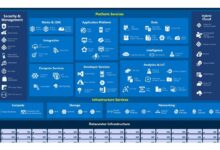
Understanding the architecture behind azure standard is crucial for leveraging its full potential. The platform is built on modular services that can be combined to meet specific business needs, from virtual machines to storage and networking.
Virtual Machines (VMs) in Azure Standard
Azure Standard Virtual Machines are among the most widely used resources. These VMs run on shared or dedicated hardware and support a wide range of operating systems, including Windows Server and various Linux distributions.
- Available in multiple sizes (A-series, D-series, B-series)
- Backed by standard SSDs or HDDs for cost-effective storage
- Ideal for dev/test environments, small-scale applications, and web servers
For more details, visit the official Azure Virtual Machines page.
Storage Options Under Azure Standard
Storage is a cornerstone of the azure standard offering. It includes several types of storage accounts optimized for different use cases:
- Standard Blob Storage: For unstructured data like images, videos, and backups
- Standard File Storage: Cloud-based SMB shares for file sharing
- Standard Queue and Table Storage: For lightweight messaging and NoSQL data
These services are geo-redundant by default in most configurations, ensuring data durability even during regional outages.
Networking and Connectivity Features
Azure Standard includes essential networking components such as Virtual Networks (VNet), Load Balancers, and Application Gateways. These tools allow businesses to securely connect cloud resources and integrate with on-premises systems.
- Standard Load Balancer for traffic distribution
- Virtual Network Peering for cross-VNet communication
- Site-to-Site and Point-to-Site VPN connectivity
Learn more about Azure networking at Microsoft Learn: Virtual Networking.
Benefits of Choosing Azure Standard for Your Business
Adopting azure standard brings a host of advantages, especially for mid-sized companies and growing startups. It strikes a balance between functionality and affordability, making it a strategic choice in digital transformation.
Cost-Effectiveness and Predictable Pricing
One of the biggest draws of azure standard is its pay-as-you-go pricing model. Businesses only pay for what they use, avoiding the capital expenditure associated with on-premises servers.
- No upfront hardware costs
- Flexible billing: per minute or per hour
- Free tier options for testing and development
This model is particularly beneficial for seasonal businesses or those with fluctuating workloads.
Scalability Without Complexity
With azure standard, scaling is seamless. You can increase or decrease resources based on demand, often with just a few clicks or automated scripts.
- Auto-scaling rules based on CPU, memory, or network usage
- Integration with Azure Monitor for real-time performance tracking
- Support for containerized workloads via Azure Kubernetes Service (AKS)
This elasticity ensures that your applications remain responsive during traffic spikes without over-provisioning during low-usage periods.
Enterprise-Grade Security and Compliance
Security is not an afterthought in azure standard. Microsoft invests over $1 billion annually in cybersecurity and operates one of the most secure cloud infrastructures globally.
- Built-in DDoS protection
- Encryption at rest and in transit
- Compliance with ISO 27001, HIPAA, GDPR, and SOC 2
Azure also provides tools like Azure Security Center (now part of Microsoft Defender for Cloud) to monitor threats and enforce security policies across your environment.
Common Use Cases for Azure Standard
The versatility of azure standard makes it suitable for a wide array of applications across industries. From hosting websites to running enterprise databases, its use cases are nearly limitless.
Web Hosting and Application Deployment
Many companies use azure standard to host websites, APIs, and web applications. With services like Azure App Service (Standard Tier), developers can deploy applications without managing underlying infrastructure.
- Support for .NET, Node.js, Python, Java, and PHP
- Automatic scaling and load balancing
- Custom domain support and SSL certificates
This reduces deployment time and allows teams to focus on code rather than server maintenance.
Data Backup and Disaster Recovery
Organizations rely on azure standard for robust backup solutions. Azure Backup and Site Recovery provide automated, encrypted backups stored in geo-redundant locations.
- Daily backups with retention policies up to 99 years
- Recovery Point Objective (RPO) as low as 5 minutes
- Failover and failback capabilities for business continuity
For more information, see Azure Backup Overview.
Hybrid Cloud and On-Premises Integration
For businesses not ready to go fully cloud-native, azure standard supports hybrid models. Azure Arc, ExpressRoute, and Azure Stack enable seamless integration between on-premises data centers and the Azure cloud.
- Extend Azure management to any infrastructure
- Private, high-speed connections via ExpressRoute
- Unified governance and policy enforcement
This flexibility is ideal for regulated industries like finance and healthcare.
How to Get Started with Azure Standard
Beginning your journey with azure standard is straightforward, even for teams with limited cloud experience. Microsoft provides extensive documentation, free training, and hands-on labs to accelerate adoption.
Setting Up Your First Azure Account
To start using azure standard, you need an Azure account. You can sign up for a free account that includes $200 in credits and access to over 25 services for 12 months.
- Visit Azure Free Account to register
- Verify your identity with a credit card (no charges unless you upgrade)
- Access the Azure portal at portal.azure.com
Once logged in, you can deploy your first virtual machine or storage account in minutes.
Navigating the Azure Portal
The Azure portal is the central hub for managing all azure standard resources. It features a clean, intuitive interface with dashboards, resource groups, and monitoring tools.
- Create resource groups to organize projects
- Use the search bar to quickly find services
- Pin frequently used resources to your dashboard
Familiarizing yourself with the portal layout will save time and reduce errors during deployment.
Best Practices for Initial Deployment
When deploying your first resources under azure standard, follow these best practices to ensure a smooth experience:
- Use descriptive names for resources (e.g., ‘prod-web-vm-eastus’)
- Tag resources for cost tracking and management
- Enable monitoring and logging from day one
- Restrict access using Role-Based Access Control (RBAC)
These steps lay the foundation for a secure, scalable, and manageable cloud environment.
Performance and Reliability of Azure Standard
Performance is a critical factor when choosing a cloud provider. Azure standard delivers consistent performance backed by Microsoft’s global network of data centers.
Uptime and Service Level Agreements (SLAs)
Microsoft guarantees high availability through SLAs. For example, Azure Virtual Machines in the standard tier offer an SLA of 99.9% when deployed with two or more instances in an availability set.
- 99.9% uptime for VMs (when properly configured)
- 99.9% for Standard Load Balancer
- 99.9% for Standard Storage accounts
These SLAs are among the most competitive in the industry and are backed by financial credits if not met.
Latency and Global Reach
With over 60 regions worldwide, azure standard ensures low-latency access for users across the globe. You can deploy resources close to your customer base to minimize response times.
- Regions in North America, Europe, Asia, Australia, and South America
- Content delivery via Azure CDN (Content Delivery Network)
- Latency monitoring with Azure Network Watcher
This global footprint is a key reason why enterprises choose Azure over regional competitors.
Monitoring and Optimization Tools
To maintain peak performance, azure standard integrates with powerful monitoring tools:
- Azure Monitor: Collects logs and metrics across resources
- Application Insights: Tracks application performance and user behavior
- Azure Advisor: Provides cost, security, and performance recommendations
These tools help identify bottlenecks, optimize resource usage, and prevent downtime before it occurs.
Future Trends and Innovations in Azure Standard
The cloud landscape is evolving rapidly, and azure standard continues to adapt with new features, integrations, and AI-driven enhancements.
Integration with AI and Machine Learning
Microsoft is embedding AI into its standard offerings. Services like Azure Cognitive Services and Azure Machine Learning are now accessible within the standard pricing tier, enabling businesses to build intelligent applications without premium costs.
- Pre-built AI models for vision, speech, and language
- Automated ML for non-experts
- Integration with Power BI for AI-powered analytics
This democratization of AI is lowering the barrier to entry for innovation.
Edge Computing and IoT Expansion
As IoT devices proliferate, azure standard is expanding its edge capabilities. Azure IoT Hub and Azure Sphere provide secure, scalable platforms for managing millions of devices.
- Real-time data processing at the edge
- Secure device onboarding and updates
- Integration with Azure Functions for serverless edge computing
These advancements make azure standard a viable platform for smart cities, manufacturing, and healthcare monitoring.
Sustainability and Green Cloud Initiatives
Microsoft has committed to being carbon negative by 2030. Azure standard benefits from this initiative through energy-efficient data centers powered by renewable energy.
- Water-cooled servers and AI-optimized cooling systems
- Transparency in carbon footprint reporting
- Tools to measure your application’s environmental impact
Choosing azure standard aligns your business with sustainable practices without sacrificing performance.
What is Azure Standard used for?
Azure Standard is used for hosting virtual machines, web applications, storage, networking, and backup solutions. It’s ideal for businesses seeking a reliable, scalable, and cost-effective cloud infrastructure with enterprise-grade security and global reach.
How does Azure Standard differ from Azure Premium?
Azure Standard offers cost-effective, general-purpose services with 99.9% SLA, while Azure Premium provides enhanced performance, lower latency, higher uptime (99.99%), and premium storage options. Premium is suited for mission-critical workloads requiring maximum reliability.
Is Azure Standard suitable for small businesses?
Yes, Azure Standard is highly suitable for small businesses due to its pay-as-you-go pricing, free tier options, and easy scalability. It allows small teams to access enterprise-level technology without large upfront investments.
Can I upgrade from Azure Standard to Premium later?
Yes, Azure allows seamless upgrades from Standard to Premium tiers for services like VMs, storage, and databases. This flexibility lets businesses start small and scale as their needs grow.
Does Azure Standard support hybrid cloud environments?
Yes, Azure Standard fully supports hybrid cloud setups through services like Azure Arc, ExpressRoute, and Azure Stack, enabling integration between on-premises systems and the Azure cloud.
In conclusion, azure standard is more than just a cloud service tier—it’s a strategic enabler for digital transformation. From cost savings and scalability to security and global reach, it offers everything modern businesses need to thrive in a competitive landscape. Whether you’re launching your first app or migrating an entire data center, Azure Standard provides a reliable, future-proof foundation. As Microsoft continues to innovate with AI, edge computing, and sustainability, the value of azure standard will only grow. The time to embrace it is now.
Further Reading: