Cloud computing has revolutionized how businesses operate, and msft azure stands at the forefront of this transformation. With unmatched scalability, enterprise-grade security, and seamless integration with Microsoft’s ecosystem, msft azure empowers organizations to innovate faster and smarter. Let’s dive into what makes it a powerhouse.



What Is msft azure and Why It Matters

Microsoft Azure, commonly referred to as msft azure, is a comprehensive cloud computing platform developed by Microsoft. Launched in 2010, it has grown into one of the top three cloud service providers globally, alongside AWS and Google Cloud. Its significance lies in its hybrid capabilities, global reach, and deep integration with existing Microsoft products like Windows Server, Active Directory, and Office 365.
Core Definition and Evolution
msft azure began as Windows Azure, primarily focused on application hosting. Over the years, it evolved into a full-fledged cloud platform offering over 200 services, including computing, analytics, storage, networking, and AI. This evolution reflects Microsoft’s strategic shift toward cloud-first solutions, aligning with modern enterprise needs.
- Originally launched as Windows Azure in 2010
- Rebranded to Microsoft Azure in 2014
- Now supports hybrid, multi-cloud, and edge computing environments
Key Components of msft azure
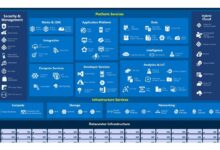
The msft azure platform is built on several foundational services that enable diverse workloads. These include virtual machines (VMs), blob storage, Azure App Services, Kubernetes (AKS), and serverless computing via Azure Functions. Each component is designed for high availability and can be orchestrated using tools like Azure Resource Manager (ARM).
- Compute: Virtual Machines, Containers, Functions
- Storage: Blob, Disk, Queue, Table
- Networking: Virtual Network, Load Balancer, DNS
“Azure is not just a cloud platform; it’s a bridge between legacy systems and future innovation.” — Satya Nadella, CEO of Microsoft
Top 7 Advantages of Using msft azure
Choosing msft azure offers tangible benefits for businesses across industries. From cost efficiency to advanced AI tools, the platform delivers value at every level. Below are seven compelling reasons why organizations are migrating to msft azure.
1. Seamless Integration with Microsoft Ecosystem
One of the standout features of msft azure is its native compatibility with Microsoft products. Whether you’re using Microsoft 365, Dynamics 365, or on-premises Windows servers, Azure integrates effortlessly. This reduces deployment time and simplifies identity management through Azure Active Directory (AAD).
- Single sign-on (SSO) across Microsoft apps
- Hybrid identity with Azure AD Connect
- Unified management via Microsoft Endpoint Manager
2. Global Infrastructure and Scalability
msft azure operates in over 60 regions worldwide, making it one of the most geographically distributed cloud platforms. This global footprint ensures low-latency access and compliance with local data regulations. Businesses can scale resources up or down based on demand, paying only for what they use.
- Available in 140+ countries
- Supports multi-region failover and disaster recovery
- Auto-scaling for web apps and VMs
3. Enterprise-Grade Security and Compliance
Security is a top priority for msft azure. The platform offers built-in threat protection, encryption at rest and in transit, and advanced monitoring through Microsoft Defender for Cloud. It complies with over 100 international standards, including GDPR, HIPAA, ISO 27001, and SOC 1/2/3.
- Zero-trust security model
- Advanced threat analytics and AI-driven detection
- Compliance Manager for audit readiness
4. Hybrid Cloud Capabilities with Azure Arc
Unlike some competitors, msft azure excels in hybrid environments. Azure Arc allows organizations to manage on-premises servers, edge devices, and even AWS/GCP resources from the Azure portal. This unified control plane simplifies governance and policy enforcement across environments.
- Extend Azure services to any infrastructure
- Consistent Kubernetes management across clouds
- Centralized logging and monitoring
5. AI and Machine Learning Tools
msft azure provides powerful AI and machine learning services that are accessible even to non-experts. Azure Cognitive Services, Azure Machine Learning, and Bot Services enable developers to build intelligent applications without deep data science expertise.
- Pre-built APIs for vision, speech, language, and decision-making
- AutoML for automated model training
- Integration with OpenAI models like GPT-3 via Azure OpenAI Service
6. Cost Management and Predictable Pricing
msft azure offers flexible pricing models, including pay-as-you-go, reserved instances, and spot pricing. The Azure Pricing Calculator and Cost Management tools help organizations forecast expenses and optimize spending. For startups and small businesses, the Azure for Students and Azure Free Tier programs provide generous credits.
- Pay only for consumed resources
- Reserved VM instances save up to 72%
- Free services for 12 months (e.g., 750 hours of VM usage)
7. Developer-Friendly Tools and DevOps Support
msft azure supports a wide range of programming languages, frameworks, and DevOps tools. Azure DevOps provides CI/CD pipelines, agile planning, and code repositories. Integration with GitHub, Jenkins, and Terraform makes it a favorite among developers.
- Support for .NET, Python, Node.js, Java, and more
- GitHub Actions integration for automated deployments
- Infrastructure as Code (IaC) with ARM templates and Bicep
How msft azure Compares to AWS and Google Cloud
While AWS leads in market share, msft azure differentiates itself through hybrid capabilities, enterprise integration, and Microsoft-centric workflows. Google Cloud excels in data analytics and AI, but Azure offers a more balanced portfolio for traditional enterprises.
Market Position and Adoption Trends
According to Synergy Research Group, as of 2023, AWS holds about 32% of the cloud market, followed by Microsoft Azure at 23%, and Google Cloud at 10%. Azure’s growth is driven by its strong presence in enterprise IT departments and government contracts.
- Azure is preferred by Fortune 500 companies
- Strong adoption in healthcare, finance, and education sectors
- Faster growth rate than AWS in recent quarters
Feature Comparison: Azure vs AWS vs GCP
When comparing core services, msft azure often matches AWS and GCP in functionality but stands out in integration and hybrid support. For example, Azure Active Directory is more tightly integrated with corporate environments than AWS IAM. Similarly, Azure’s support for Windows workloads is superior.
- Compute: All three offer VMs, containers, and serverless
- Storage: Azure Blob vs AWS S3 vs Google Cloud Storage
- AI: Google leads in research, Azure in enterprise deployment
Pricing and Total Cost of Ownership (TCO)
While AWS often appears cheaper for basic compute, msft azure can offer lower TCO for organizations already using Microsoft licenses. The Azure Hybrid Benefit allows customers to use existing Windows Server and SQL Server licenses on Azure VMs, reducing costs by up to 40%.
- Azure Hybrid Benefit reduces licensing costs
- AWS has more granular pricing tiers
- Google offers sustained use discounts automatically
Real-World Use Cases of msft azure
Organizations across industries leverage msft azure for digital transformation. From disaster recovery to AI-powered analytics, the platform enables innovative solutions.
Healthcare: Secure Data Management and Telemedicine
Hospitals and clinics use msft azure to store electronic health records (EHR) securely. Azure Health Data Services and compliance with HIPAA make it ideal for healthcare applications. Teladoc Health, for instance, runs its telemedicine platform on Azure to ensure scalability and data privacy.
- Encrypted patient data storage
- AI-driven diagnostics using Azure Machine Learning
- Real-time video consultations via Azure Communication Services
Finance: Fraud Detection and Risk Analysis
Banks and fintech companies use msft azure for real-time fraud detection. JPMorgan Chase uses Azure AI to analyze transaction patterns and flag suspicious activities. Azure Synapse Analytics enables large-scale data processing for risk modeling and regulatory reporting.
- Real-time transaction monitoring
- Compliance with PCI-DSS and SOX
- High-frequency trading platforms on low-latency VMs
Manufacturing: IoT and Predictive Maintenance
Manufacturers deploy msft azure to connect industrial equipment via IoT Hub. Siemens uses Azure to collect sensor data from factory machines and predict maintenance needs using Azure Time Series Insights. This reduces downtime and extends equipment life.
- Edge computing with Azure IoT Edge
- Predictive analytics for equipment failure
- Digital twin modeling with Azure Digital Twins
Getting Started with msft azure: A Step-by-Step Guide
Starting with msft azure is straightforward, even for beginners. Whether you’re a developer, IT admin, or business leader, the platform offers resources to help you onboard quickly.
Creating an Azure Account
Visit azure.microsoft.com and sign up for a free account. You’ll get $200 in credits valid for 30 days, plus access to over 25 always-free services. No credit card is required for the free tier, making it risk-free to explore.
- Choose between Pay-As-You-Go, Free Account, or Enterprise Agreement
- Verify your identity with a phone number and email
- Access the Azure portal at portal.azure.com
Navigating the Azure Portal
The Azure portal is a web-based interface for managing all Azure resources. It features a dashboard, resource groups, and quick-start templates. You can deploy a virtual machine in minutes using the “Create a resource” button.
- Use resource groups to organize related services
- Monitor usage and costs via the Cost Management blade
- Set up alerts and automation with Azure Monitor
Deploying Your First Application
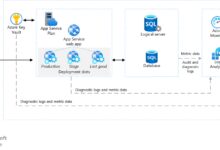
Start by deploying a simple web app using Azure App Service. You can deploy code from GitHub, Visual Studio, or even a local machine. Azure automatically handles scaling, SSL, and deployment slots for staging.
- Choose a runtime (Node.js, Python, .NET, etc.)
- Connect to a GitHub repository for continuous deployment
- Use custom domains and TLS certificates
Advanced msft azure Services You Should Know
Beyond basic compute and storage, msft azure offers cutting-edge services that push the boundaries of innovation. These tools are essential for organizations aiming to stay ahead.
Azure Kubernetes Service (AKS)
AKS simplifies container orchestration by managing the Kubernetes control plane. Developers can deploy, scale, and manage containerized applications with minimal overhead. AKS integrates with Azure Monitor, Azure DevOps, and GitHub Actions for end-to-end DevOps.
- Auto-upgrading and self-healing clusters
- Integration with Azure AD for role-based access control
- Support for Windows and Linux containers
Azure Synapse Analytics
Azure Synapse is an analytics service that brings together data integration, enterprise data warehousing, and big data analytics. It allows organizations to query data across SQL and Spark pools, enabling real-time insights from structured and unstructured data.
- Unified experience for ETL, data lakes, and data warehousing
- Serverless SQL for on-demand querying
- Integration with Power BI for visualization
Azure OpenAI Service
One of the most powerful recent additions to msft azure is the Azure OpenAI Service. It provides secure, enterprise-grade access to models like GPT-3.5 and GPT-4, enabling businesses to build AI-powered chatbots, content generators, and code assistants with full data privacy.
- Private network connectivity (no data leaves your control)
- Custom fine-tuning with your own data
- Compliance with enterprise security policies
Future Trends and Innovations in msft azure
Microsoft continues to invest heavily in msft azure, focusing on AI, sustainability, and edge computing. The future of Azure is not just about infrastructure—it’s about intelligent, responsible, and adaptive cloud solutions.
Azure AI and the Rise of Generative AI
Generative AI is transforming how businesses interact with data. With Azure OpenAI and Cognitive Services, companies can automate customer service, generate marketing content, and assist developers with AI-powered coding tools like GitHub Copilot.
- AI-driven personalization in retail and marketing
- Natural language processing for customer support bots
- Code generation and debugging with AI
Sustainability and Green Cloud Initiatives
Microsoft has committed to being carbon negative by 2030. msft azure supports this through energy-efficient data centers, renewable energy sourcing, and tools like the Azure Sustainability Calculator. This helps customers measure and reduce their cloud carbon footprint.
- Data centers powered by 100% renewable energy by 2025
- Water-cooled servers to reduce cooling costs
- Carbon-aware computing that schedules workloads during low-carbon periods
Edge Computing and Azure IoT
As more devices go online, edge computing becomes critical. msft azure enables real-time processing at the edge with Azure IoT Edge and Azure Sphere. This is vital for autonomous vehicles, smart cities, and industrial automation where latency must be minimized.
- Run AI models directly on edge devices
- Secure device-to-cloud communication
- Centralized management of thousands of IoT devices
What is msft azure?
msft azure is Microsoft’s cloud computing platform that provides over 200 services for building, deploying, and managing applications and infrastructure in the cloud. It supports a wide range of workloads, from virtual machines to AI and IoT.
How does msft azure pricing work?
msft azure uses a pay-as-you-go model, where you pay only for the resources you consume. It also offers reserved instances for long-term savings and a free tier with $200 credit and always-free services for 12 months.
Is msft azure better than AWS?
It depends on your needs. msft azure excels in hybrid cloud, enterprise integration, and Microsoft workloads. AWS has a broader service catalog and longer market presence. Many enterprises use both in a multi-cloud strategy.
Can I use msft azure for AI projects?
Yes, msft azure offers robust AI tools like Azure Machine Learning, Cognitive Services, and Azure OpenAI Service. These allow developers to build, train, and deploy AI models securely and at scale.
How do I get started with msft azure?
Visit azure.microsoft.com/free to sign up for a free account. You’ll get $200 in credits and access to popular services like VMs, databases, and AI tools for 30 days.
msft azure is more than just a cloud platform—it’s a strategic enabler for digital transformation. With its hybrid strengths, enterprise integration, and cutting-edge AI capabilities, it offers a compelling choice for businesses of all sizes. Whether you’re migrating legacy systems or building the next AI-powered application, msft azure provides the tools, security, and scalability to succeed. The future of cloud is intelligent, sustainable, and accessible—and msft azure is leading the charge.
Further Reading: